I'M BURDENED BY THIS (child ketamine usage)


"What is happening in these young people's lives that makes escaping reality more appealing than experiencing it?"
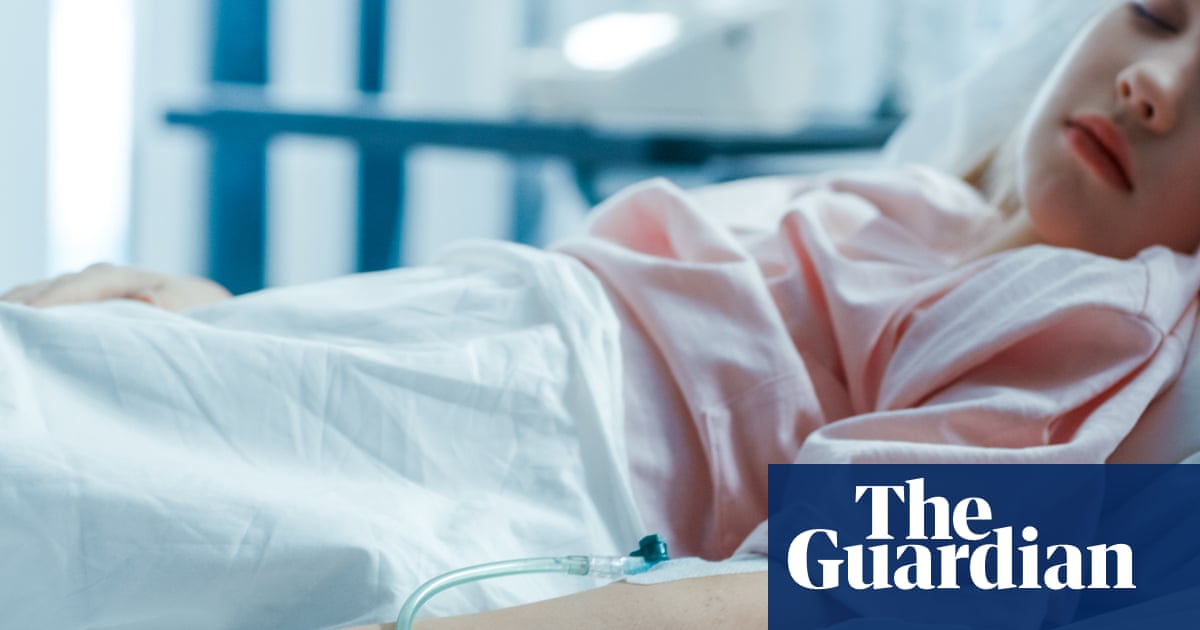
I recently read an article in The Guardian about children as young as 13 years old being treated at Alder Hey Children's Hospital for serious bladder damage caused by ketamine use. YES, THIRTEEN YEARS OLD!
Children who should be enjoying their childhood, discovering who they are and dreaming about their futures are instead suffering devastating consequences due to abusing what is essentially an animal tranquiliser.
I'm burdened that young people are giving up on their lives right in front of our eyes. I'm especially burdened by the rise in ketamine amongst young people. But as always, what torments me most isn't the drugs themselves. It's WHY young people are turning to them.
Of the first 60 young people referred to Alder Hey's specialist ketamine clinic:
The average age was just 14.
Over 70% came from some of England's most deprived communities.
72% had experienced adverse childhood experiences.
1 in 5 had experience of the care system.
These statistics should break our hearts, because each one represents a child crying out for help, and probably had their early cries for help ignored.
It is true that addiction doesn't discriminate, but we cannot ignore the relationship between deprivation, trauma, disadvantage and vulnerability to substance misuse.
What is happening in these young people's lives that makes escaping reality more appealing than experiencing it?
Having spent almost a decade trapped in addiction myself, and personally using ketamine when I was a teenager, I know how quickly experimentation can become dependency, and dependency can lead to untold destruction. But I also know that, for lots of young people, using drugs isn’t simply about getting high. It’s about escaping pain, finding confidence, feeling accepted or belonging somewhere.
We shouldn’t be focusing on the substance itself. Leave that to the police.
If we only focus on the substance, we risk completely overlooking the cause at the root. Children don’t use drugs to put themselves in pain; they use drugs because pain is their reality, and they don’t know how to deal with it in a healthy, sustainable way. This is appalling in the 21st century, and sadly it’s becoming a more common story.
So where are our leaders?
I'm talking about parents, teachers, youth workers, employers, churches, charities and community leaders. I guess really, I'm talking about ME and YOU. If we aren’t doing anything to help, then are we complicit in the suffering of our children?
Young people need adults who listen before they lecture, and who show up consistently and unconditionally. They need to know they are valued and important. They need positive role models, encouragement, and belonging. They need to be taught self-worth, not just warned about self-destructive substances to avoid on the weekend. They need real opportunities and a clear plan to a brighter future.
Can we please stop telling young people to make better choices without first helping them believe they have better choices available. A LOT of young people I speak to don’t believe they have a choice. I understand, because I’ve been there, but it shouldn’t be normalised.
So what can we practically do?
LISTEN. Create spaces where young people feel safe enough to talk without judgement.
CONNECT. Build relationships. Be present. Take an interest. Be somebody they can trust.
CREATE OPPORTUNITIES. Through sport, mentoring, employment or training, give young people something positive to move towards.
BUILD SELF-WORTH. Help young people recognise their value and believe in their potential.
ACT EARLY. Don't wait until experimentation becomes addiction or struggling becomes crisis before offering support.
EDUCATE. Inform young people about the proven and inevitable serious long-term physical consequences of abusing ketamine.
Please let’s not just grumble and roll our eyes when we read about these deeply concerning issues; let’s ask ourselves an important question:
What am I personally doing to make life better for the young people within my influence?
I always say we must be working toward preventing the first day, not the worst day. It’s the message at the heart of my work. I share my story of addiction, prison, and where it started because I want young people to recognise their worth before they make decisions that could rob them of their future.
Prevention isn't simply about teaching young people what to say NO to. It's about giving them something worth saying YES to. I don't want us to read stories about 13-year-olds suffering from drug-related organ damage, or worse, overdosing, then shake our heads and carry on scrolling. If we keep doing the same thing, we’ll keep getting the same results. I want us to be burdened enough to DO something. We NEED to hate that our kids are killing themselves.
Because being burdened isn't simply about feeling the weight of something. It's about recognising a problem so deeply that you feel compelled to contribute to the solution.
Look, the greatest tragedy isn't just that young people are turning to drugs.
It's that they're turning to drugs rather than turning to us.
That is really what burdens me.
Inspired by:


Comments